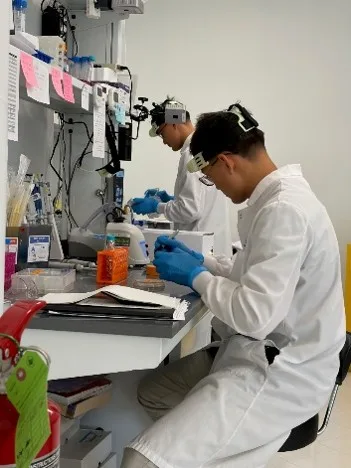
BioBuilder teachers have been busy this summer! First, they completed new and advanced training in BioBuilder Professional Development Workshops. Then they took their skills to the lab where they helped teach students synthetic biology through learning-and-doing.
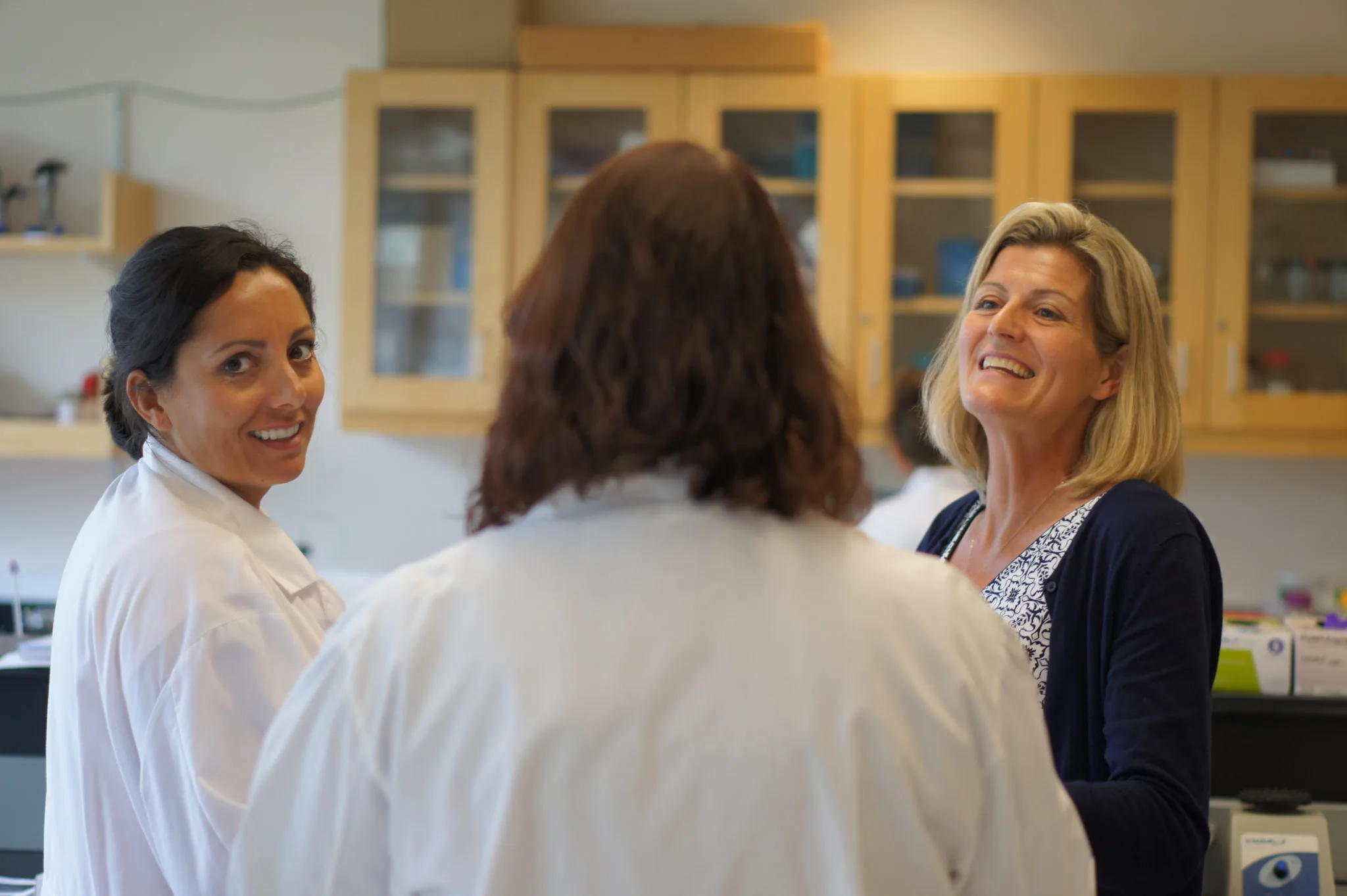
Let’s take a peek at this year’s summer programs.
Tennessee Programs
Summer 2026 included two BioBuilder training and teaching events in Tennessee: one for teachers and one for high school students.
East Tennessee
The Niswonger Foundation in Greeneville, Tennessee, is a long-time STEM education proponent and BioBuilder partner.

Their BioSTEM Career Pathway is a student-centered program that blends CTE and academic coursework to help prepare students for careers in STEM fields. “It includes everything educators need to meet the TNDOE standards for each course in the BioSTEM Pathway. The BioSTEM curriculum is designed to be a set of core resources and a clear vision to help teachers get started with their implementation of the BioSTEM pathway.”
BioBuilder’s BioTechBuilder skills-based curriculum has become an important part of their BioSTEM teacher preparation.

This summer, several BioBuilder-trained East Tennessee teachers helped 15 teachers get ready to implement BioSTEM in their schools and classrooms. The training began with an introduction to the BioSTEM Standards along with how BioTechBuilder helps them meet those standards.
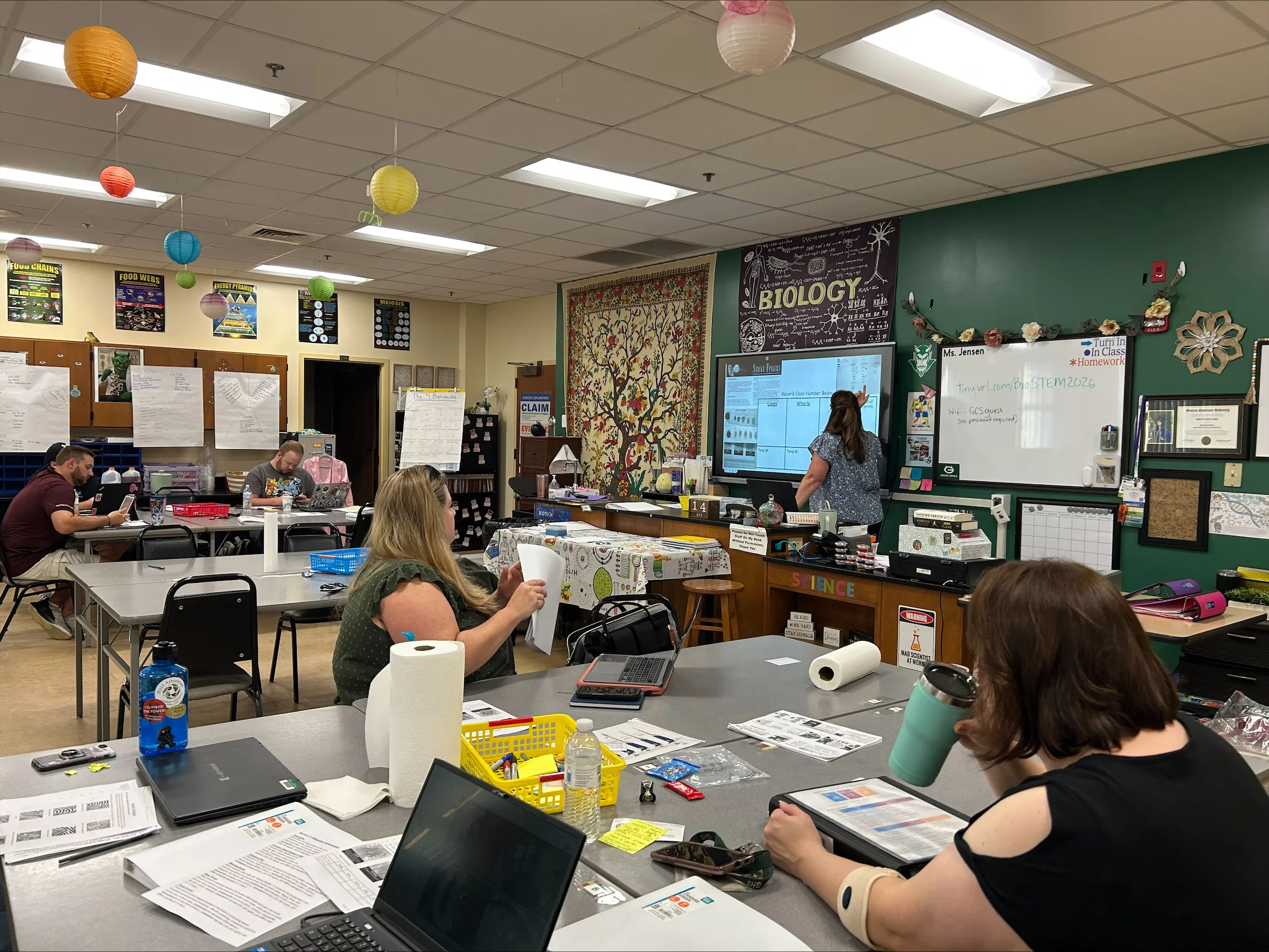
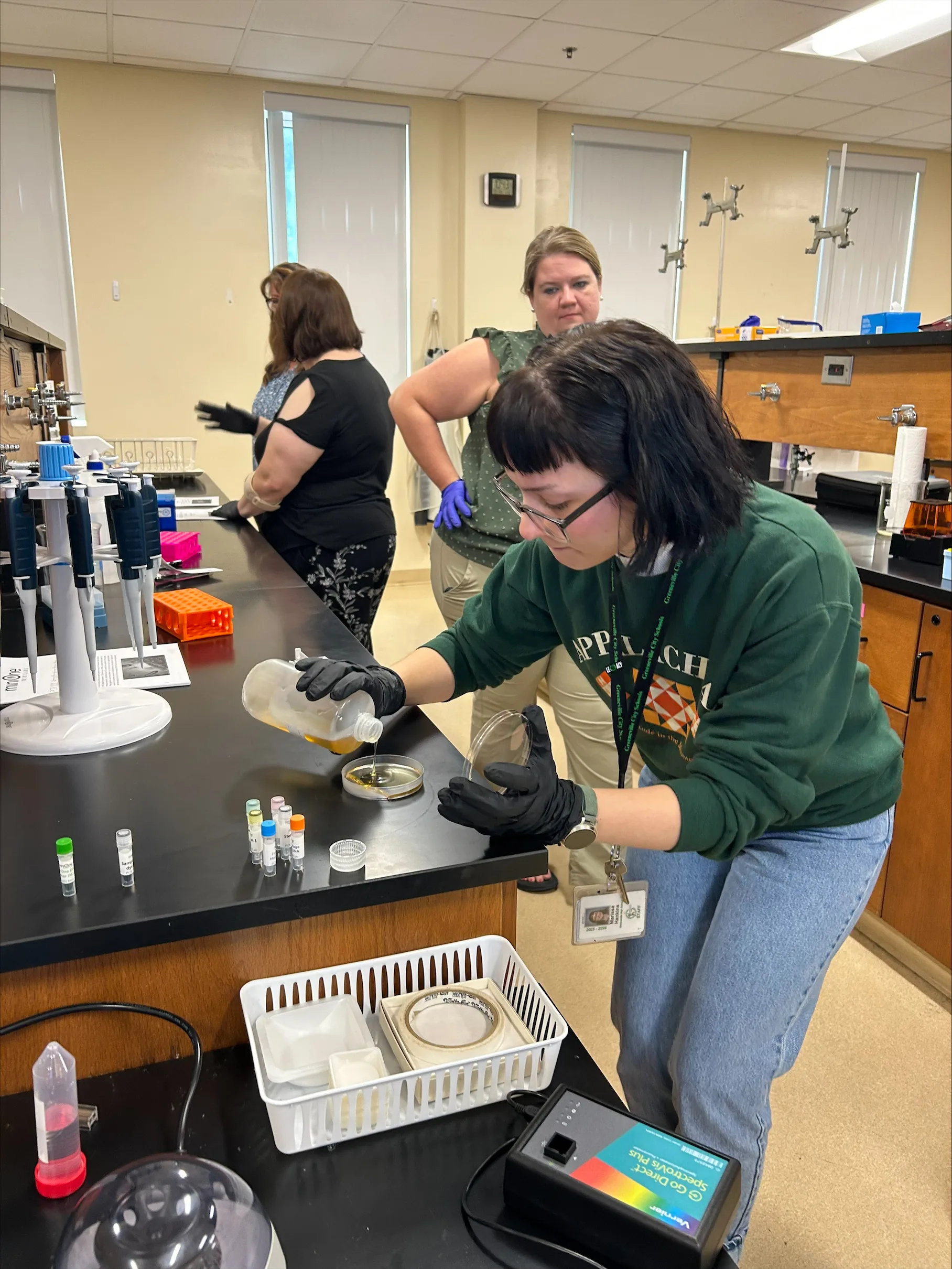
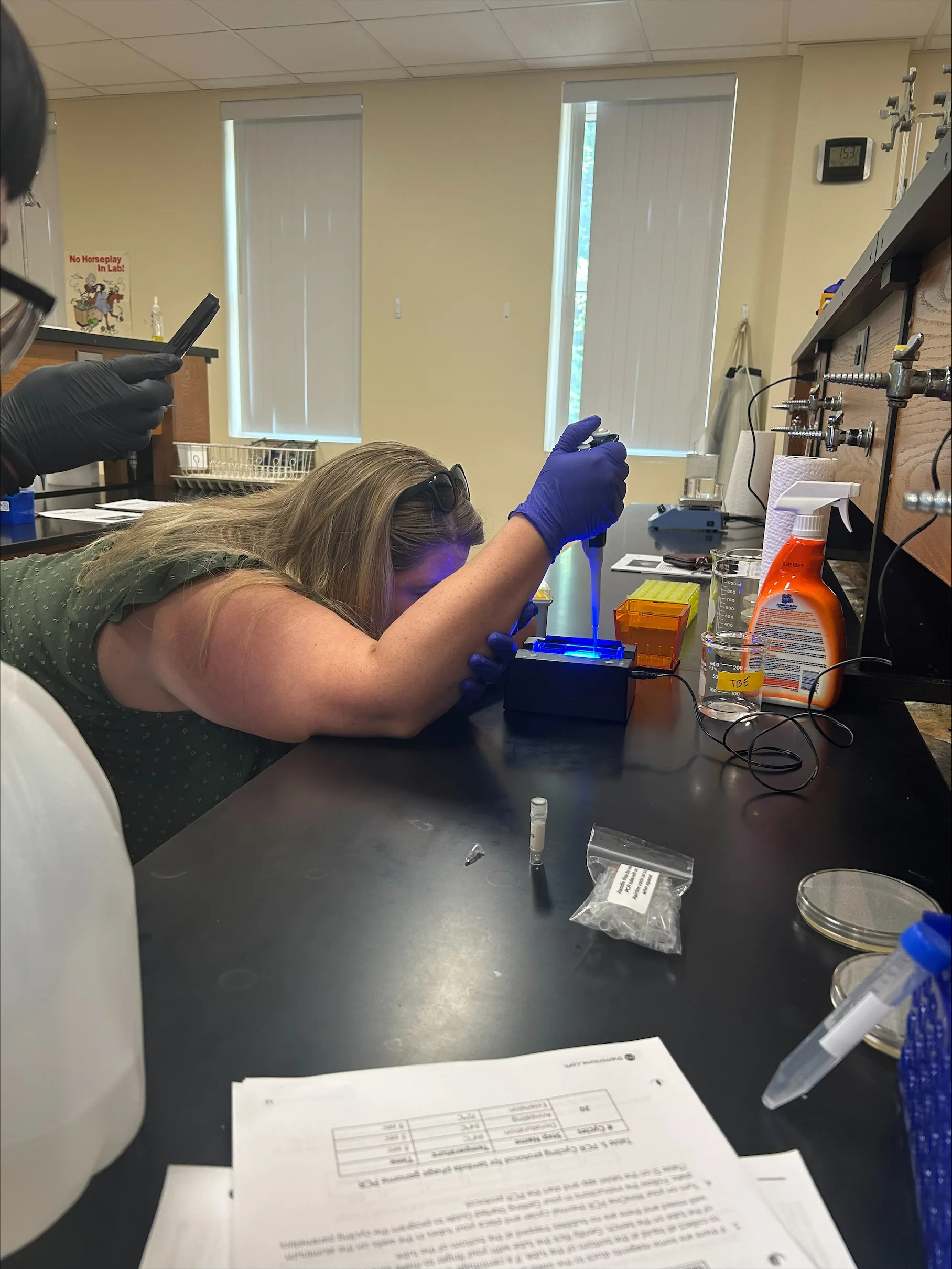
The teachers then practiced several foundational lab procedures and skills using the BioTechBuilder curriculum, such as:
- Plating and culturing bacteria
- Preparing liquid cultures from plated cultures
- Diluting cultures and checking them for cell viability
- Polymerase chain reactions (PCR)
- Electrophoresis
The teachers then conducted BioBuilder’s iTunes Lab that evaluates promoter and RBS combinations to optimize beta-galactosidase output.
What a great way to “pay it forward” and keep the momentum going!
Valleybrook Research Facility
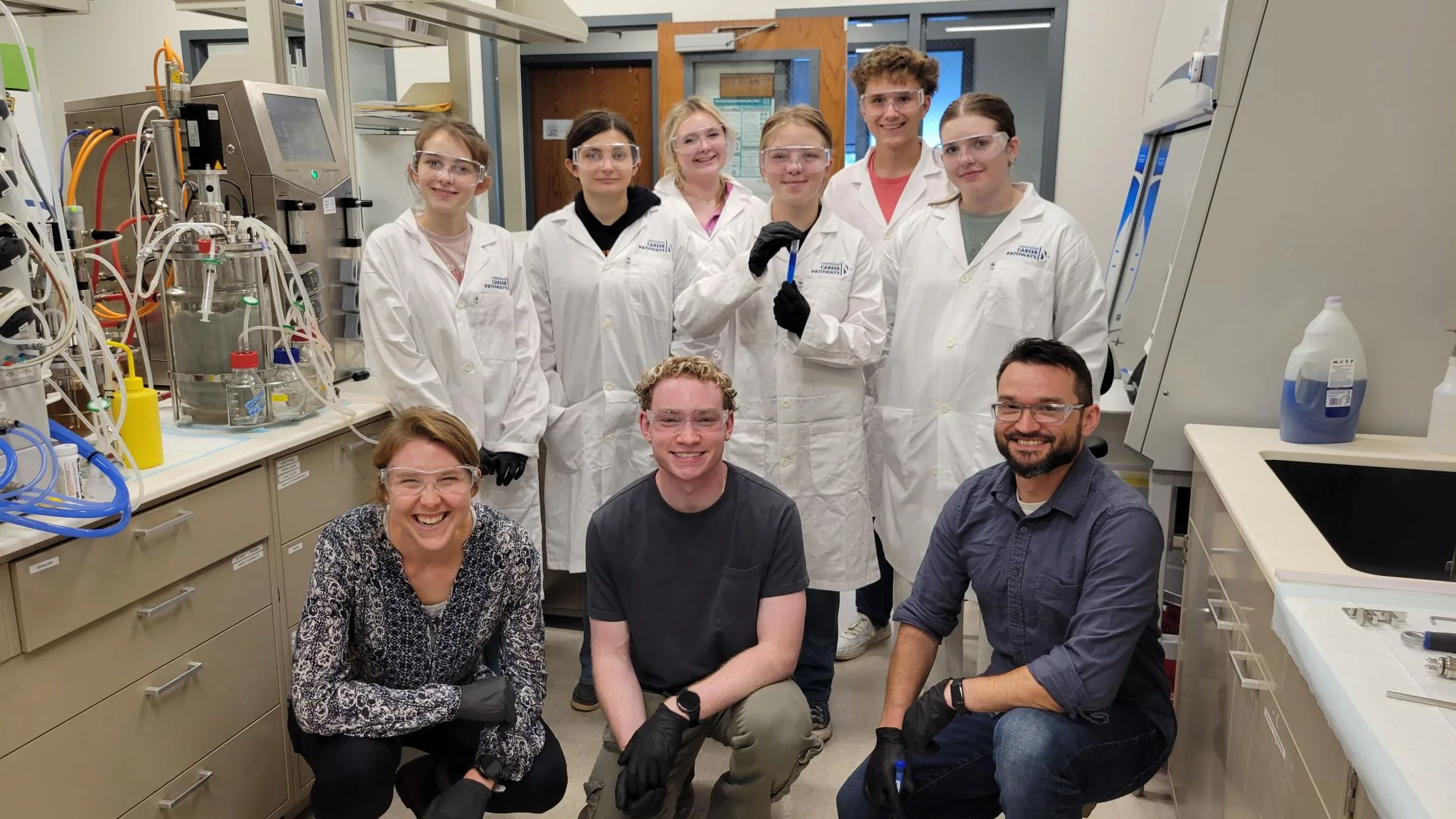
The Niswonger Foundation’s Career Pathways Biotechnology Camp took place at the Valleybrook Research Facility on the campus of East Tennessee State University.
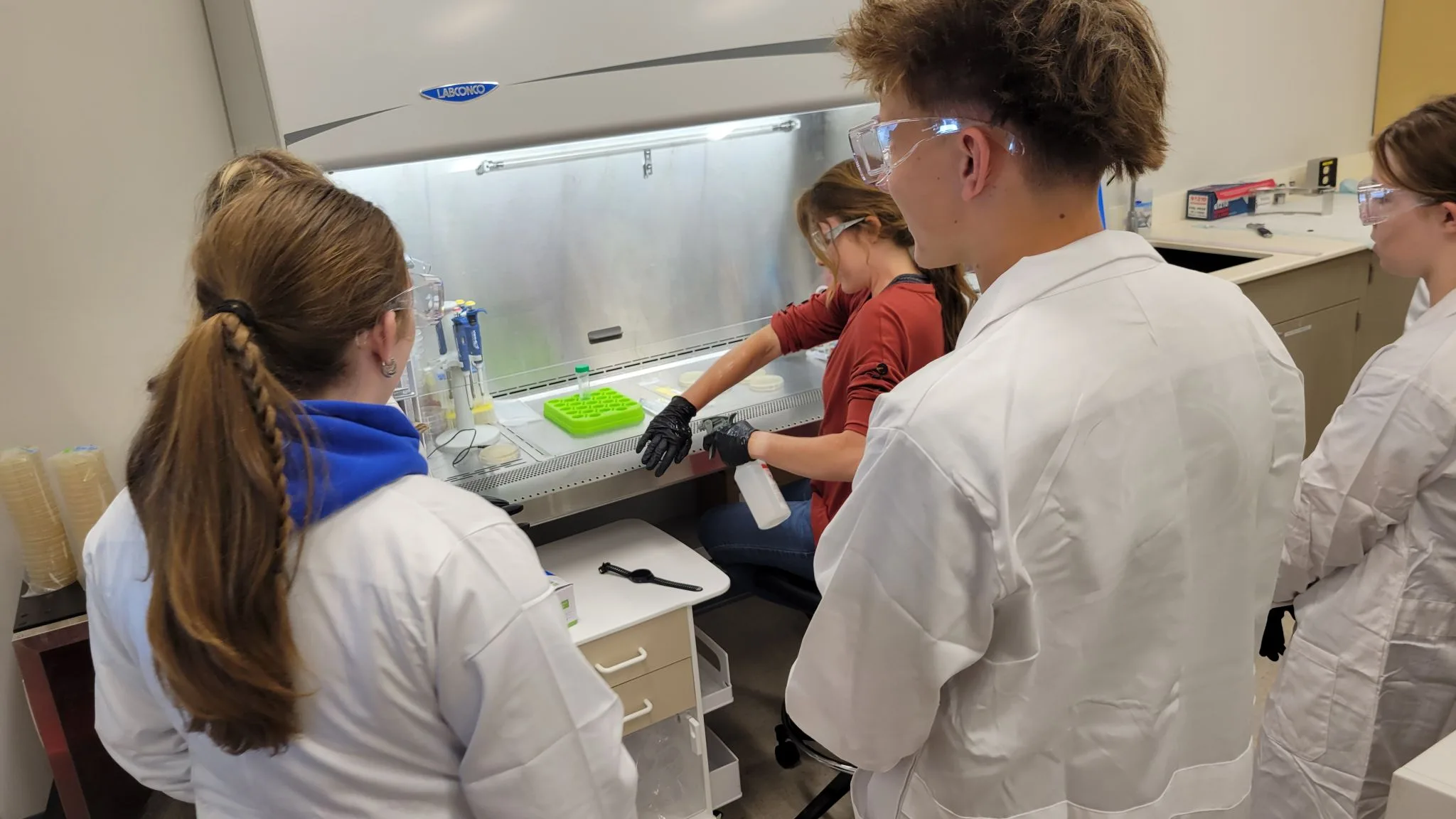
Six area high school students spent two busy days in the lab learning how to build a bioreactor and using one to produce a real bioproduct. They were led by Eric Jorgenson, biomanufacturing veteran and ETSU Vice President of Biomanufacturing Development.
Day 1 started with the fundamentals. Lab safety first, then bioreactor assembly and operation using Prism Immersive’s BioSuite virtual augmented reality training platform. Once they had those steps down, students moved to the lab to do hands-on biotech work using working reactors.

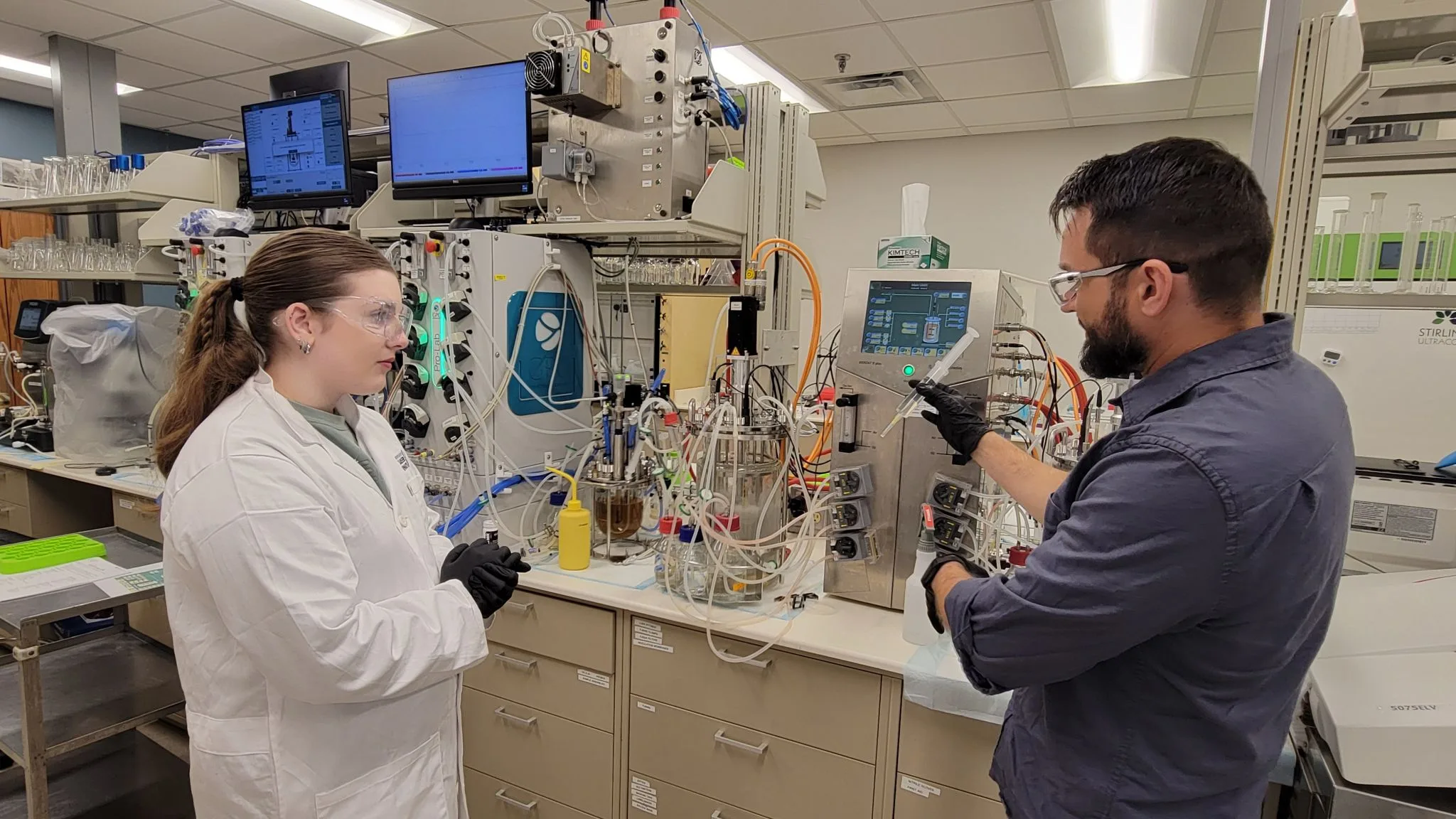
On day 2, the students induced their target gene, monitored fermentation across a full bench of equipment, then harvested and processed a live fermenter. By the end of the day, they had run the entire workflow themselves: assembly, fermentation, centrifugation, spray drying, and solvent extraction of a finished bioproduct.
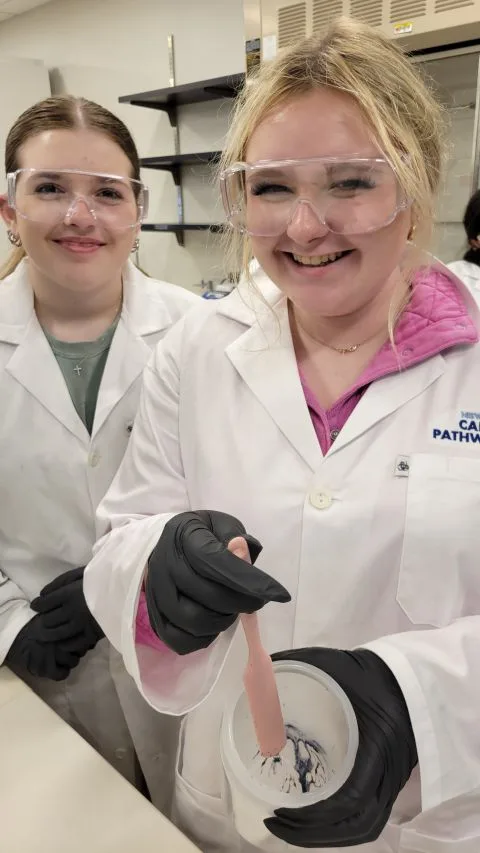
The result: a purified, brilliant blue pigment produced by microbes using the same equipment and methods that research labs use for biotech industry work.
Eric Jorgenson says: “We had a ton of fun with this camp. The student’s excitement was infectious. Moreover, we incorporated a number of real-world touchpoints across the growing biomanufacturing ecosystem.”
What a feat! Most high schoolers never get to do this type of hands-on work. These students did not just watch it happen – they did the work, start to finish, and came away with a clear understanding of what a career in biomanufacturing actually looks like.
Congratulations to these excited bio-learners!
Missouri University of Science & Technology
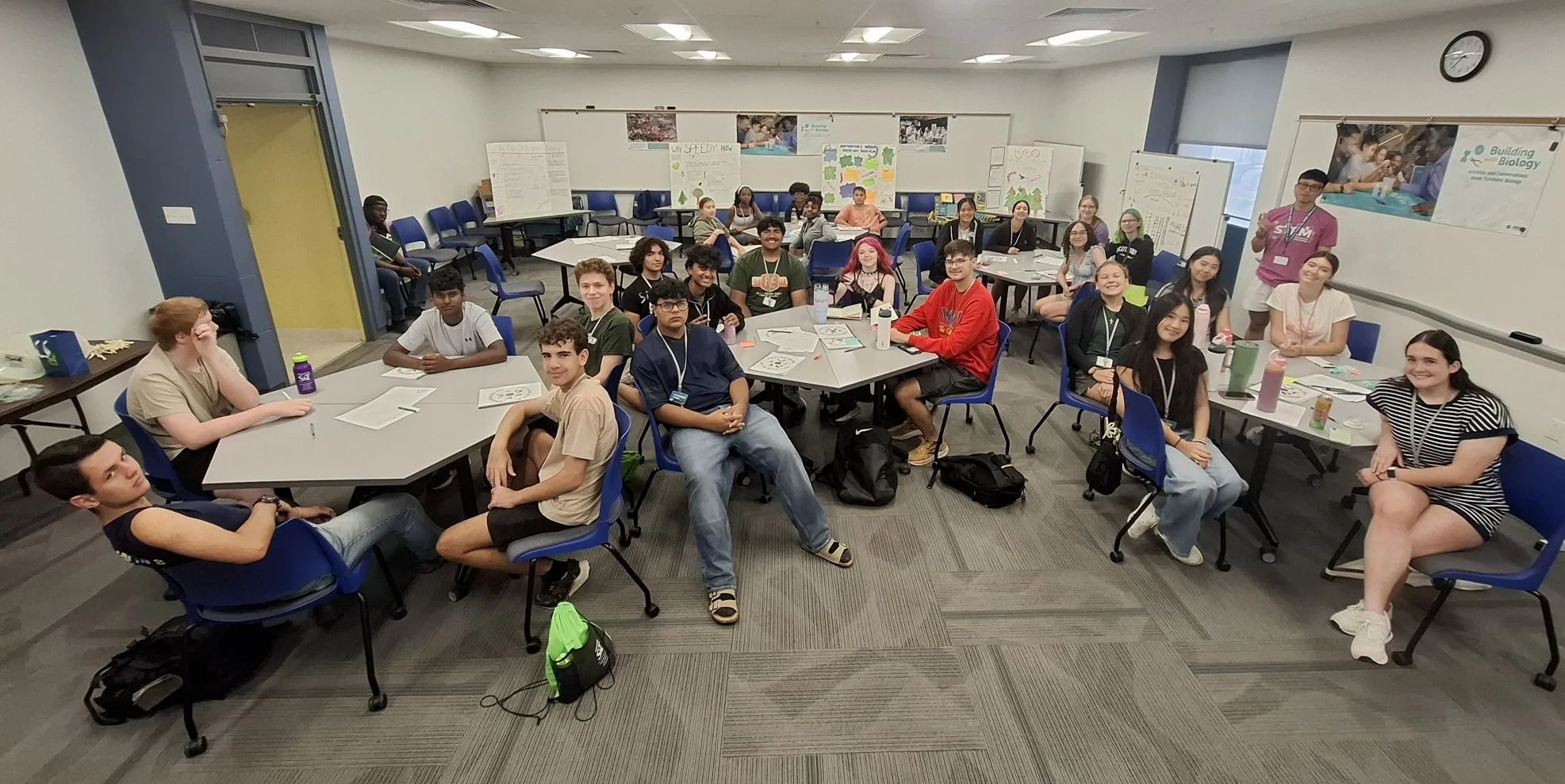
For one week this summer, 28 curious high school students participated in the Engineering with Biology Camp at Missouri University of Science & Technology (MST). The camp was led by Professor Dave Westenberg who teaches biological sciences at MST. The week was busy, exciting, and oh-so encouraging for all involved!
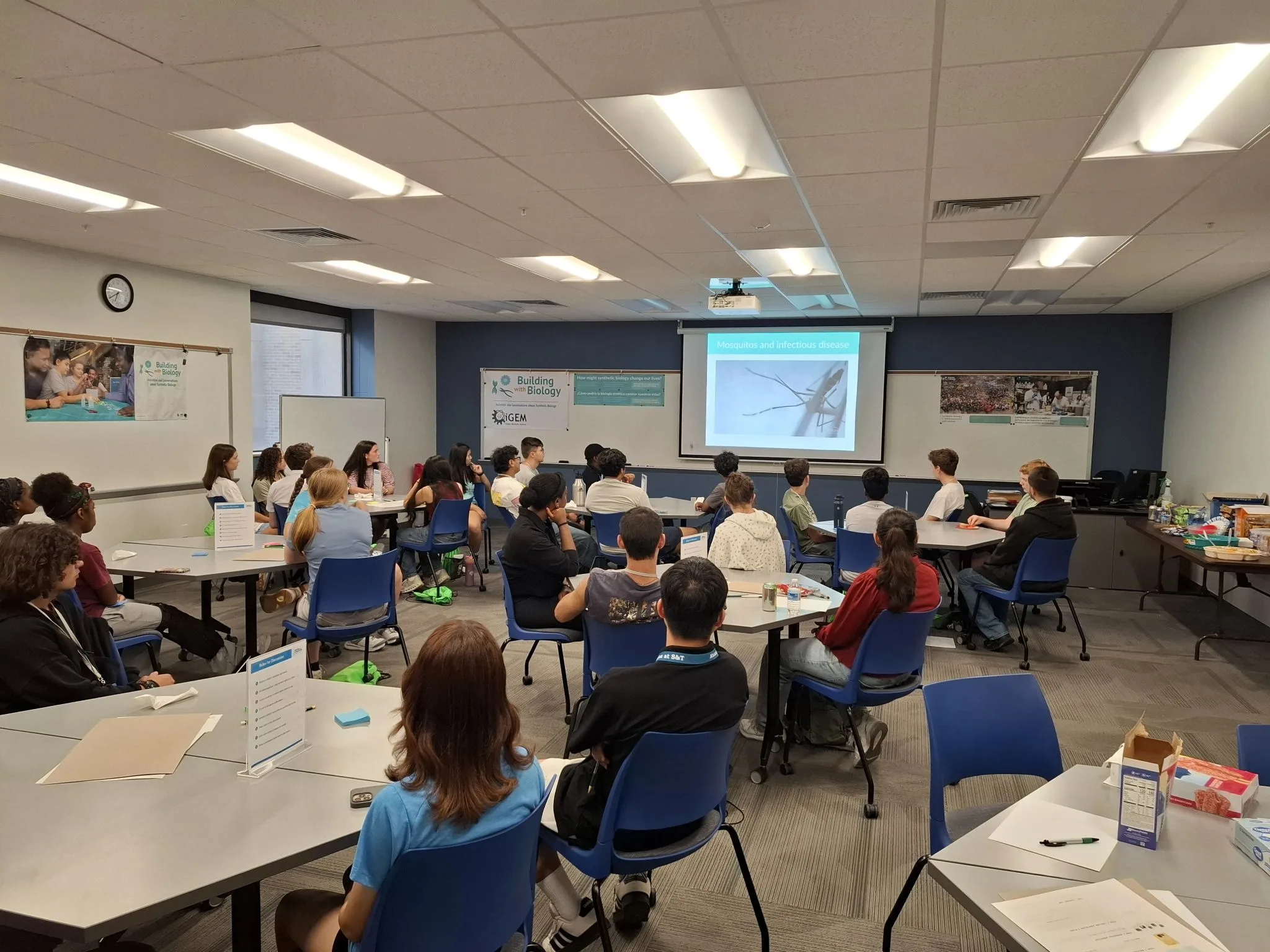
The first day kicked off with an open forum on engineering mosquitos to curb the spread of malaria via mosquito bites. Other interested folks from MST and the Rolla community were also welcomed to the forum and enjoyed interacting with the students to brainstorm the problem.
The rest of the week had the campers learning the fundamentals of synthetic biology and how living organisms can be designed and modified to produce valuable chemicals. The students conducted hands-on lab activities as they learned to put their new knowledge into real-life practice.
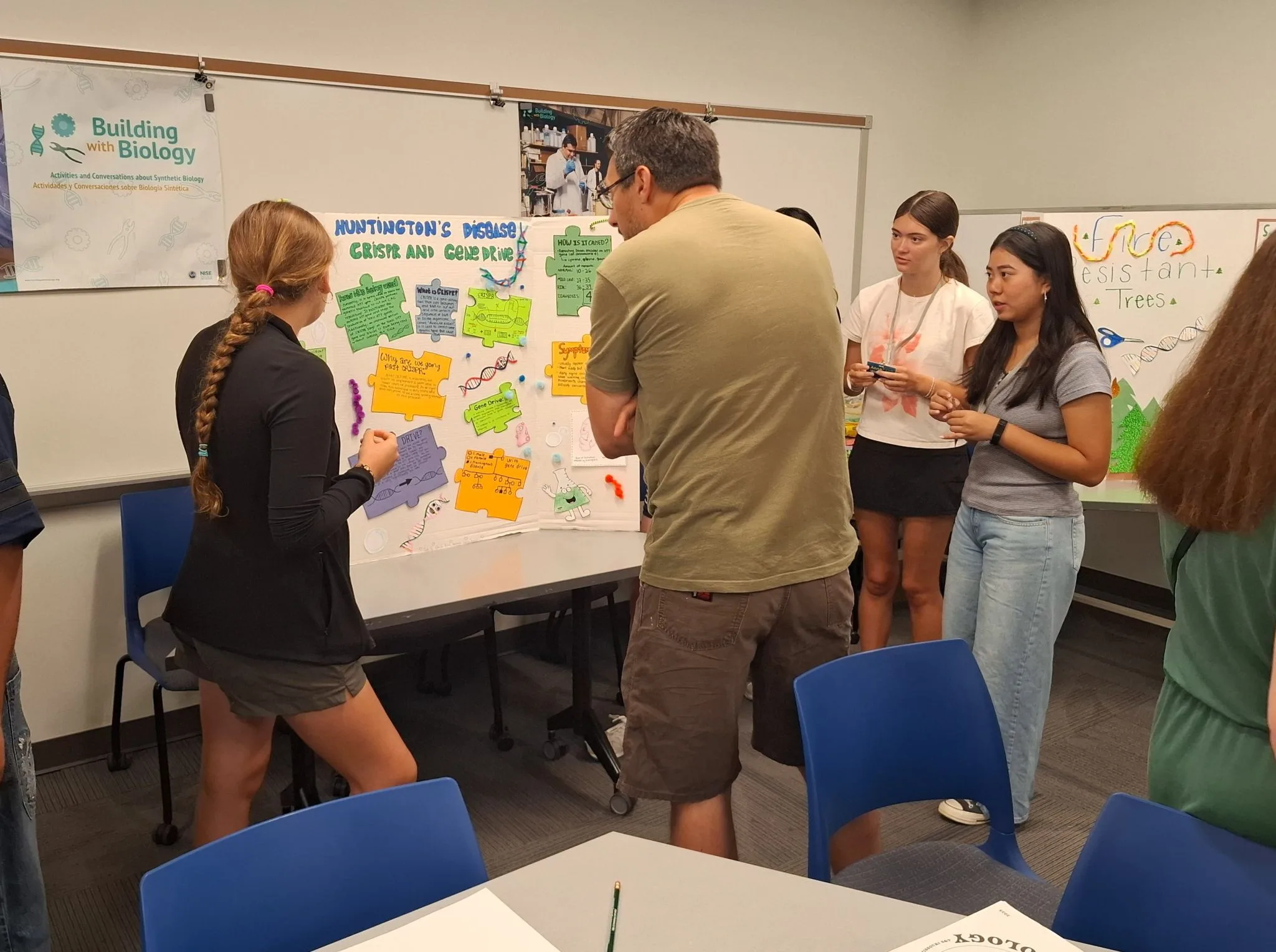
The students formed teams and selected real-world problems they would like to solve using bioengineering. The problems/bio-solutions they took on were amazing:
- Fire-resistant trees to decrease wildfire risk
- Trees that reproduce and grow faster to reclaim deforested areas
- Lyme disease control at the tick level
- Huntington’s Disease cure or treatment
- Immune system boosters to fight disease
The teams created biodesigns for their projects integrating the methods and processes of synthetic biology.


The camp concluded with a poster session where the teams shared their biodesign projects with family and friends.
As Prof. Westenberg reflected at the end of the camp, “I had a great time introducing this awesome group of students to synthetic biology. They were very engaged and inquisitive. The future is bright!”
Boston Summer Programs
BioBuilder teachers were busy teaching in Boston this summer for two distinct programs.
Whitehead Institute’s Expedition: Bio
Expedition: Bio is a summer camp program of the Whitehead Institute for Biomedical Research (WIBR).

The Expedition: Bio program introduces middle schoolers to synthetic biology, hoping it will engage their interest and prompt them to continue learning as they proceed through middle school, high school, and beyond.

BioBuilder partners with WIBR to provide their summer campers with supplemental classroom learning as well as hands-on lab learning-and-doing during the second week of the two-week program.
This summer a total of 23 middle school students “camped” at BioBuilder’s Learning Lab @Allston. They were led by seasoned BioBuilder instructors Dr. Kate Bacon Schneider and Jo-Anne Purdy.
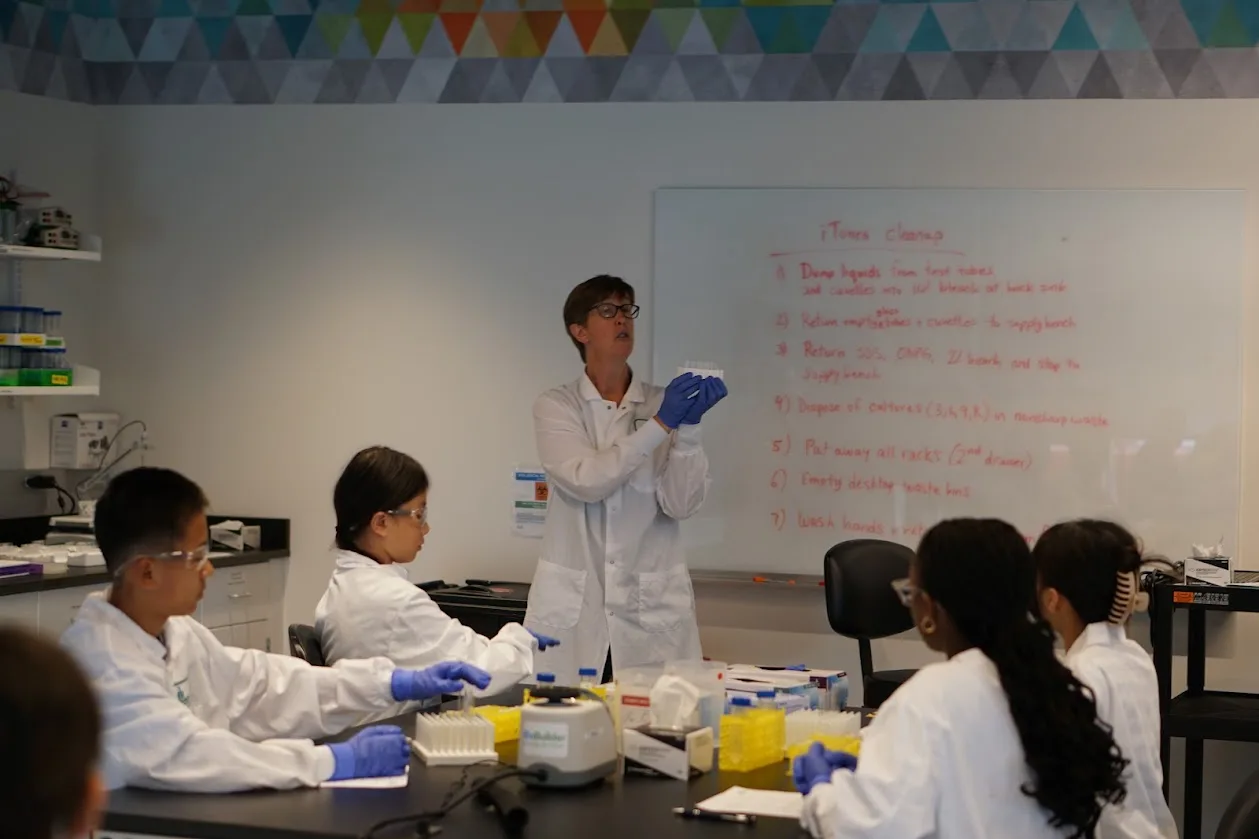
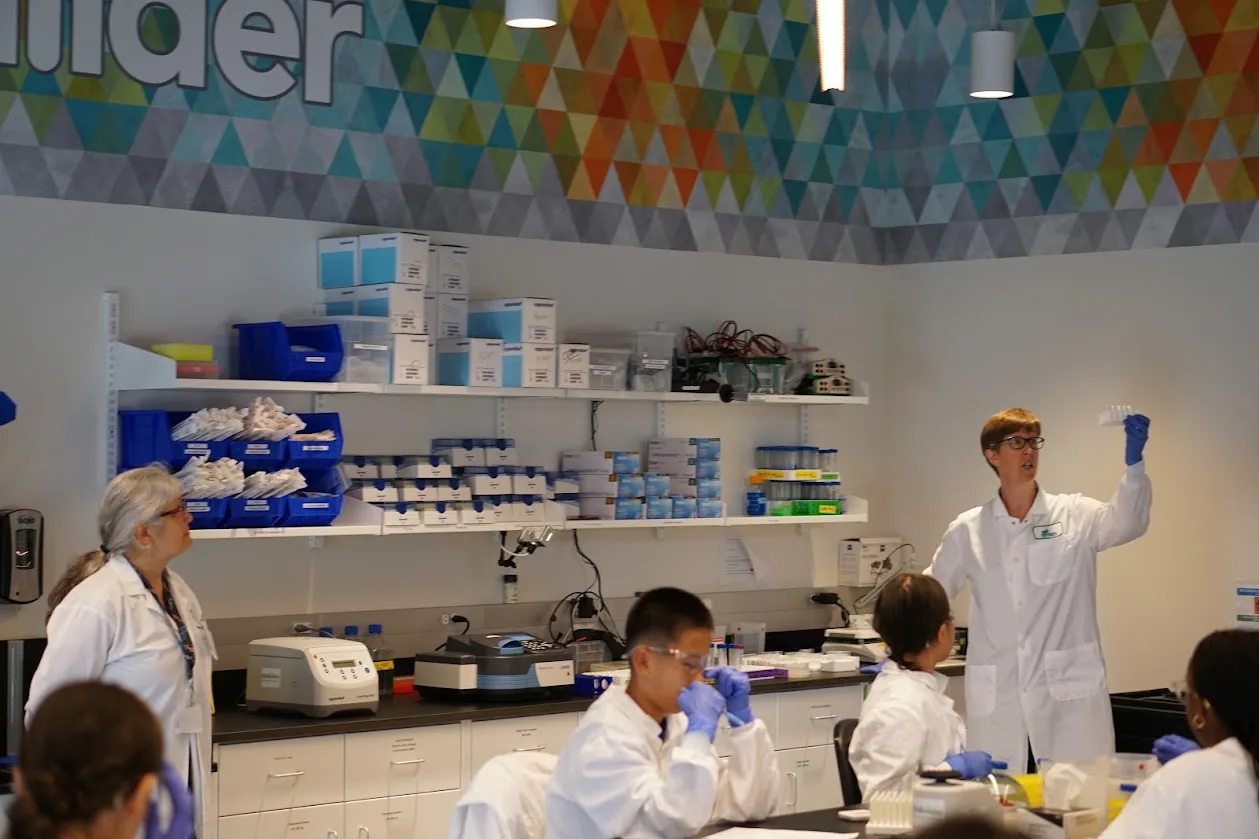
The young scientists were introduced to several foundational synthetic biology topics:
- The basics of the DNA to RNA to protein pathway
- Enzyme activity
- Bacterial transformation using plasmids
- Polymerase chain reactions (PCR)
These topics were also examined through hands-on lab work such as performing enzyme assays, bacterial transformation, PCR, and gel electrophoresis. They learned how these methods can be used to address real-world challenges including tracing the evolution of lemur species and using molecular analysis to monitor the spread of antibiotic-resistant bacteria in the environment.
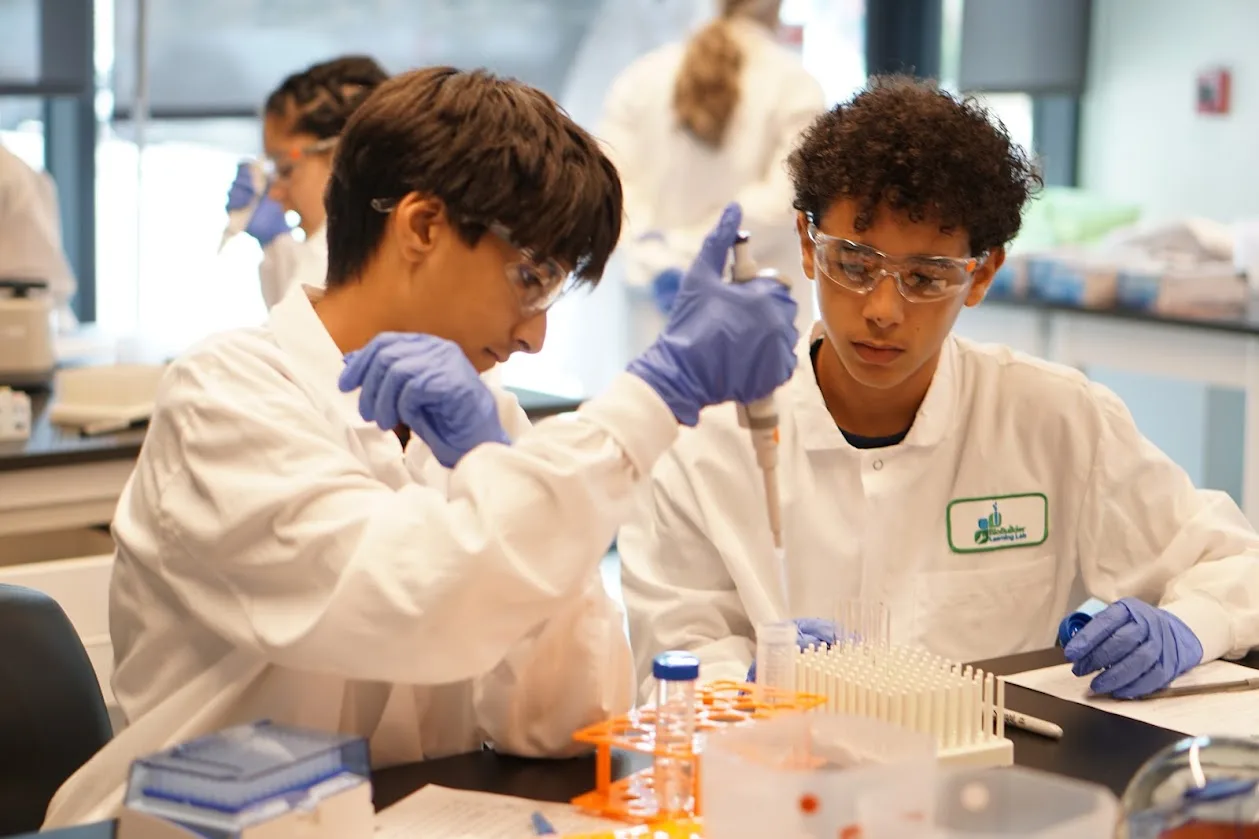

The students then used two BioBuilder labs:
- iTunes Lab: students explored how changing the sequence of DNA control elements affected the production of the enzyme B-galactosidase.
- What A Colorful World Lab: students conducted bacterial transformation by introducing genetic programs to E. coli that turned the organisms purple and green.

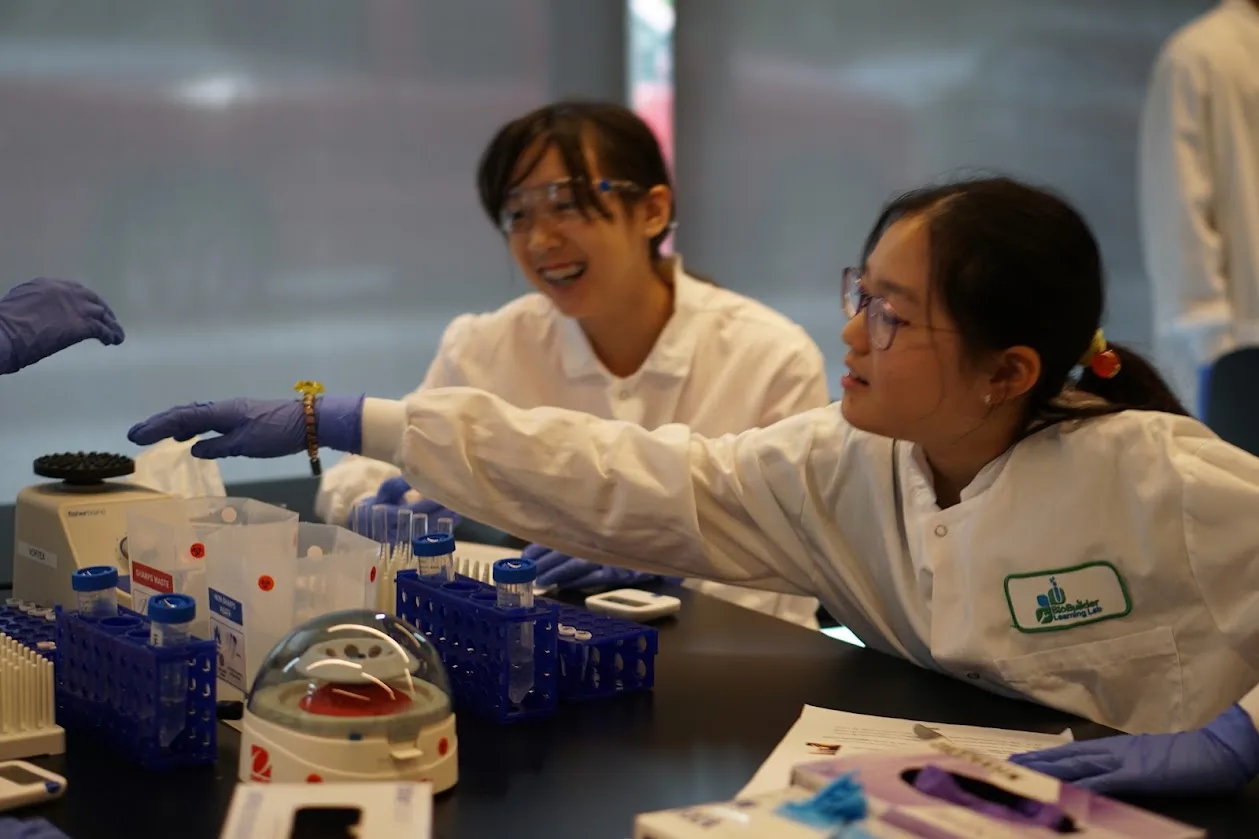
Imagine being a middle school student actually DOING synthetic biology experiments. The campers left with a lot of excitement and feelings of accomplishment!
BioBuilder is honored to partner with WIBR to help them fulfill their mission with young, future scientists!
BioBuilder Summer Research Program
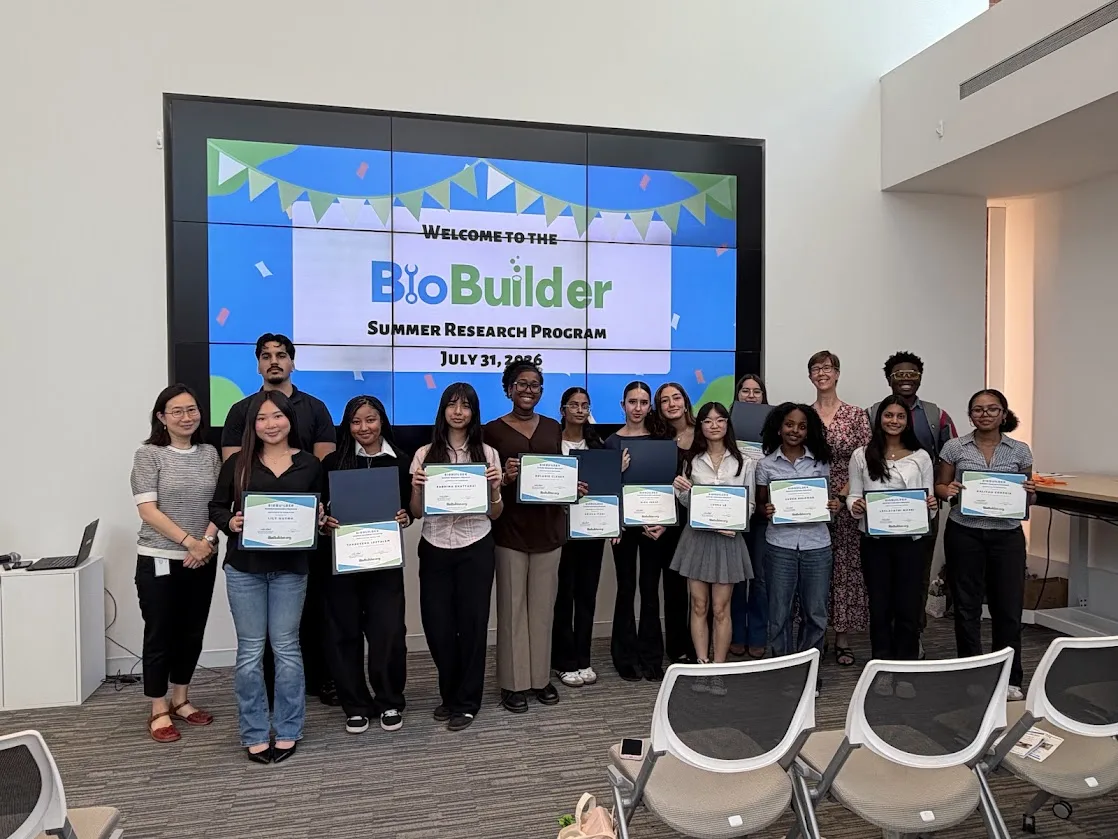
BioBuilder also ran two Summer Research Program cohorts in two locations. A total of 39 high school students participated in this year’s program at either BioBuilder’s Learning Lab @Ginkgo or Learning Lab @Allston.
The students were led by instructors Drs. Kate Bacon Schneider, Hiroko Kaczmarek, Danielle Gutelius, and Becky Meyer. These BioBuilder teachers introduced the students to synthetic biology and the many different paths by which they can pursue careers in bioscience.

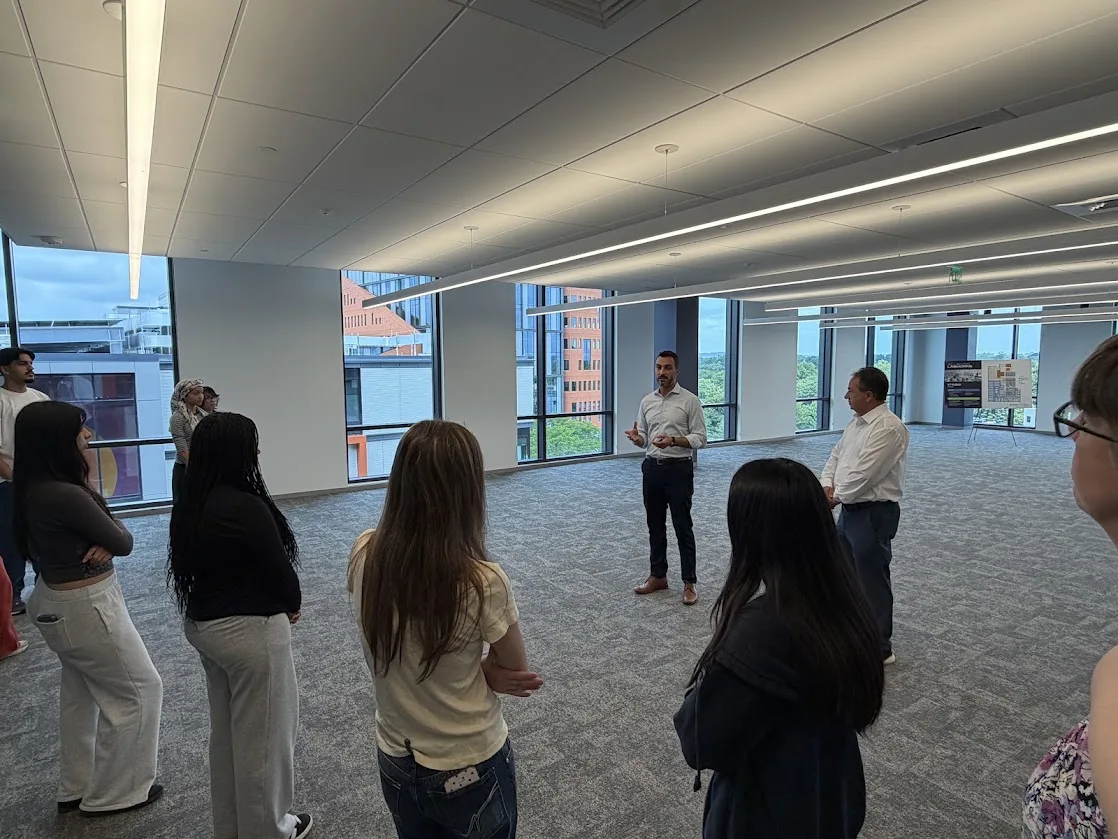
The students heard from biotechnology graduate students from Boston University, a bioengineer from the Massachusetts Institute of Technology, Boston iGem Team members, and biotech industry professionals.
They also tackled real-world needs with their own biodesign projects. The students formed teams, each of which selected a real-world need or problem to focus on. They researched published scientific papers to understand the available evidence and possible solutions, and then developed a biodesign plan that would use their new synthetic biology knowledge and technical skills to tackle their selected issue.

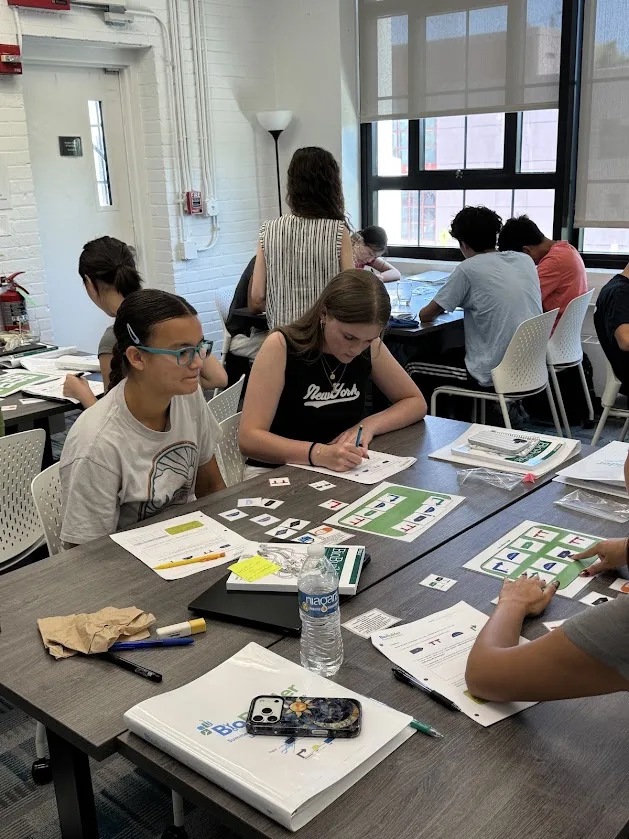
A few of the needs they explored were:
- Detecting peanut proteins in food for people with peanut allergies
- Biologically engineering siRNA treatments for ALS
- Detecting α-Synuclein proteins for early diagnosis of Parkinson’s disease
- Engineering organisms to clean up oil spills from fresh-water bodies
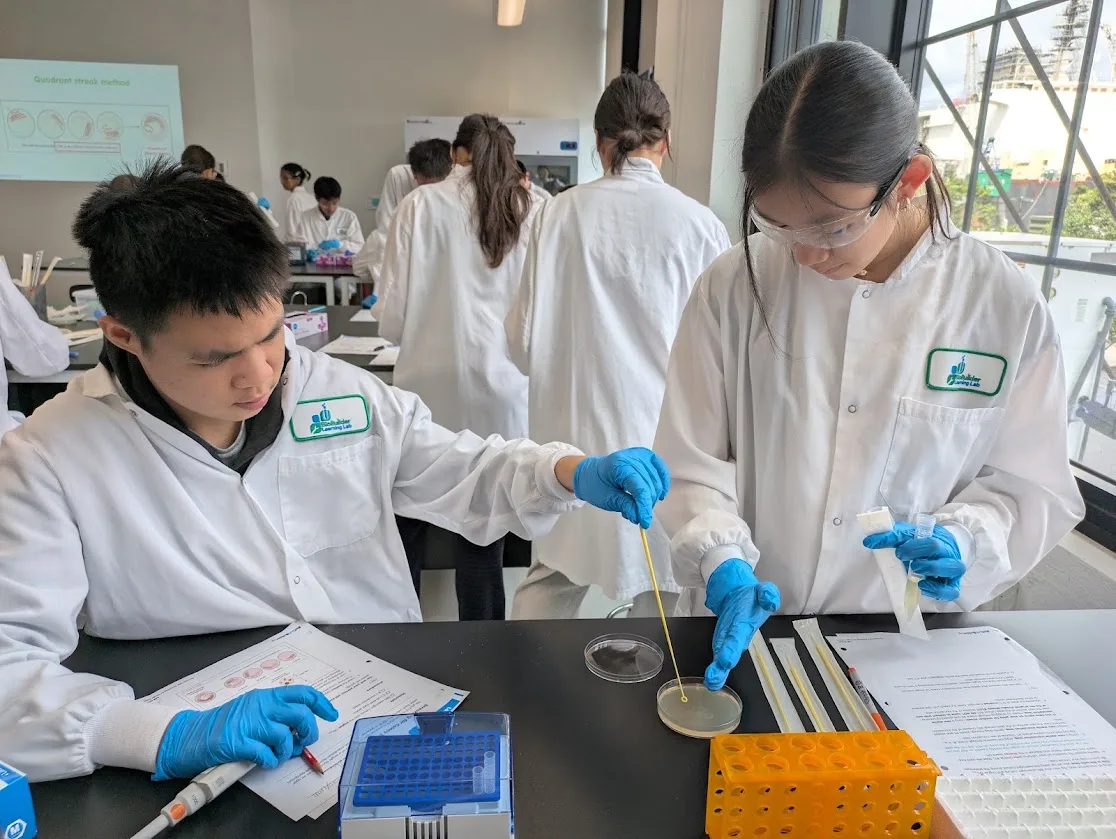
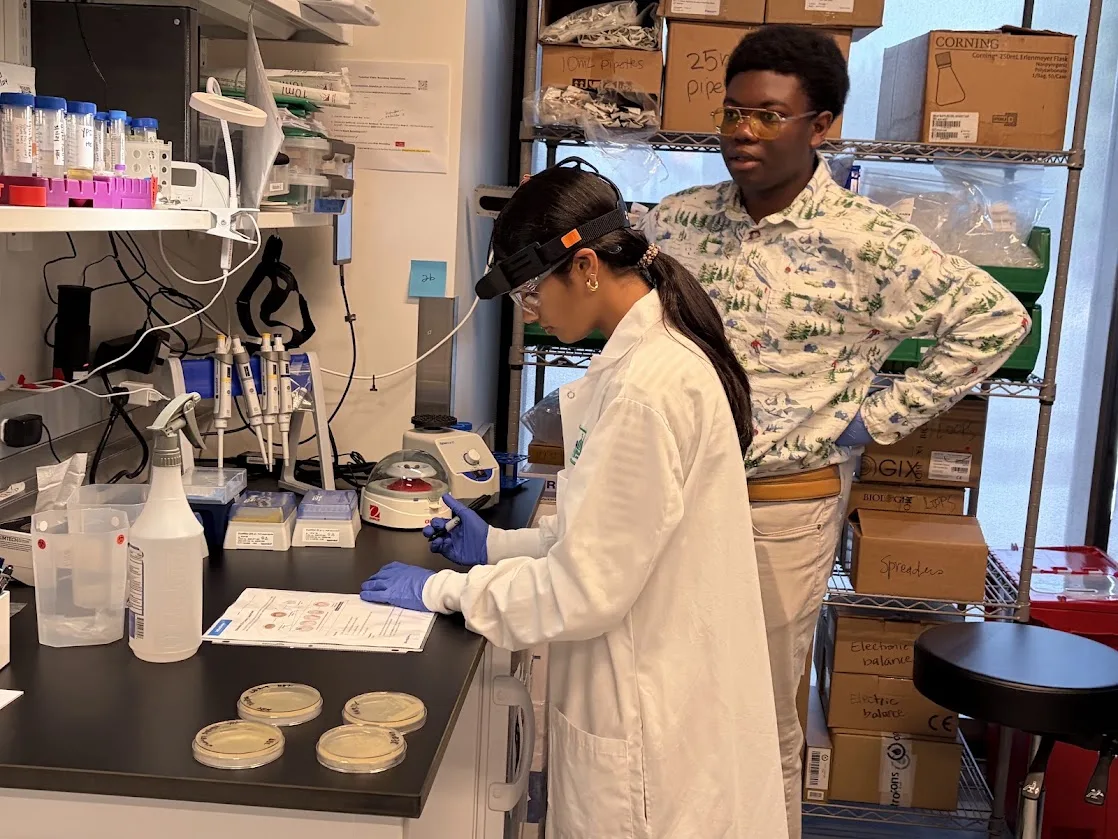
On the final day of the program, the students presented their biodesign projects to an audience of their peers, families and supporters, and Boston-area life science community members.
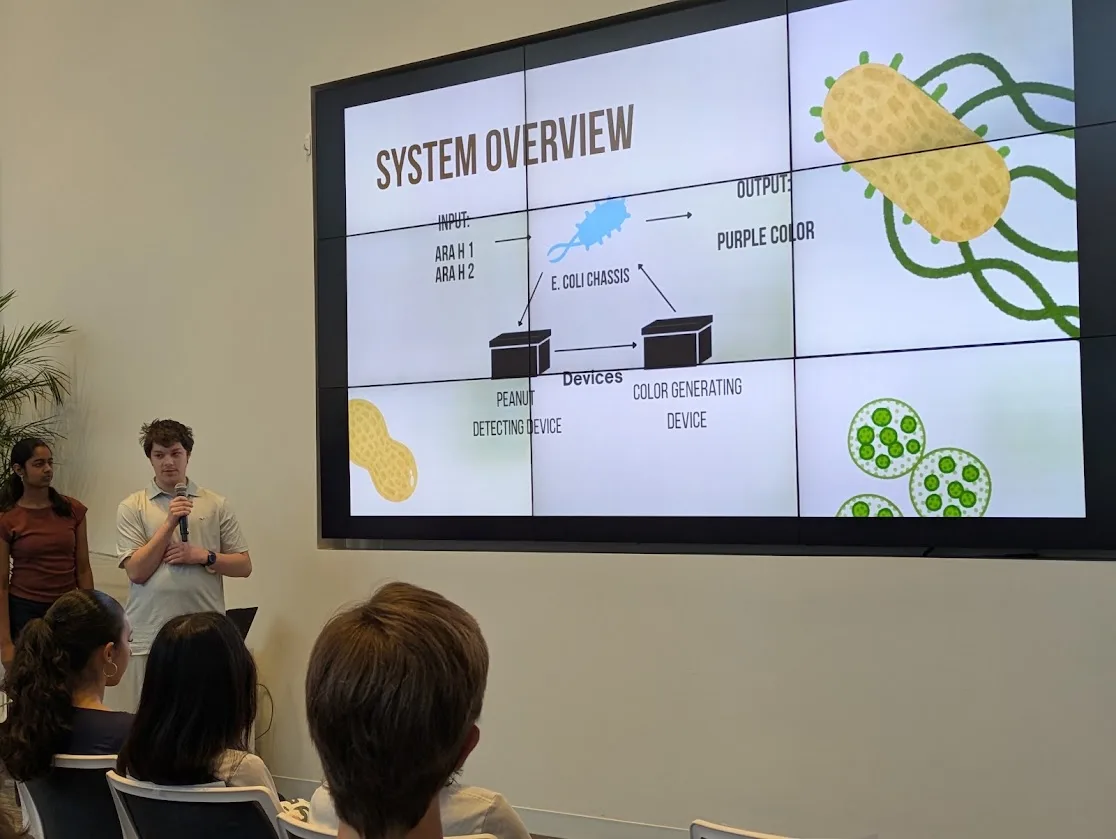
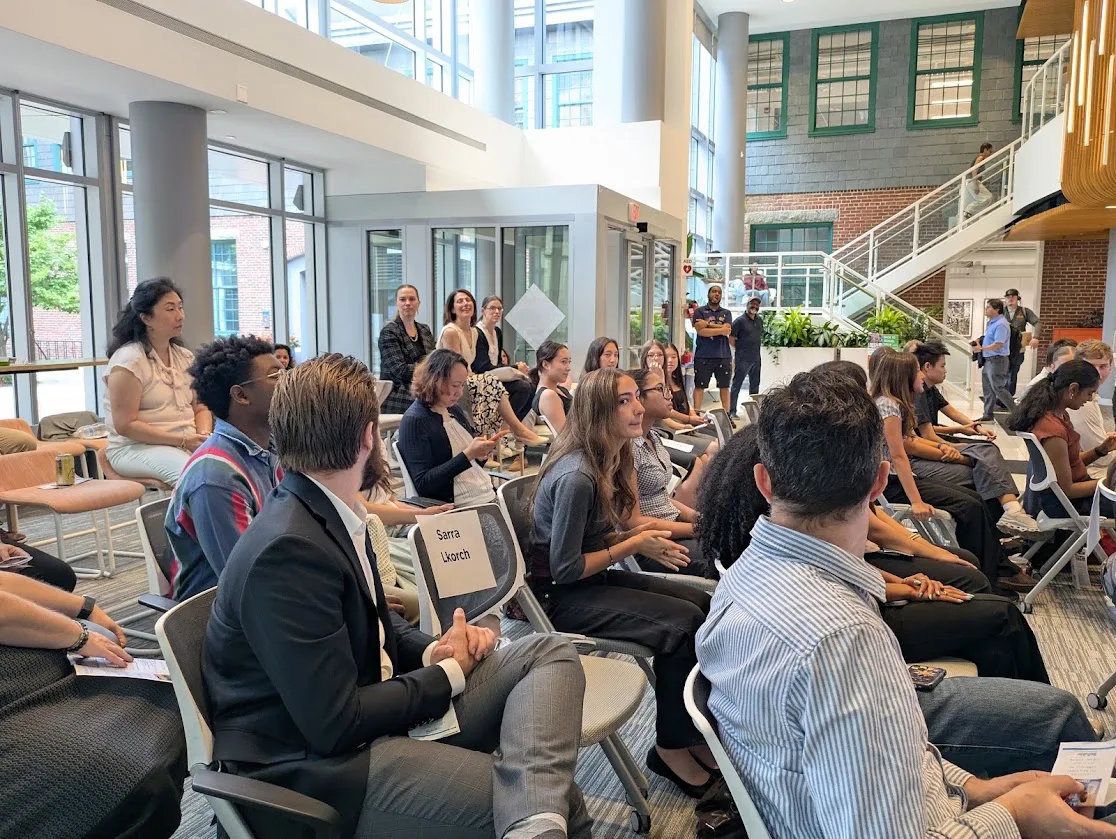

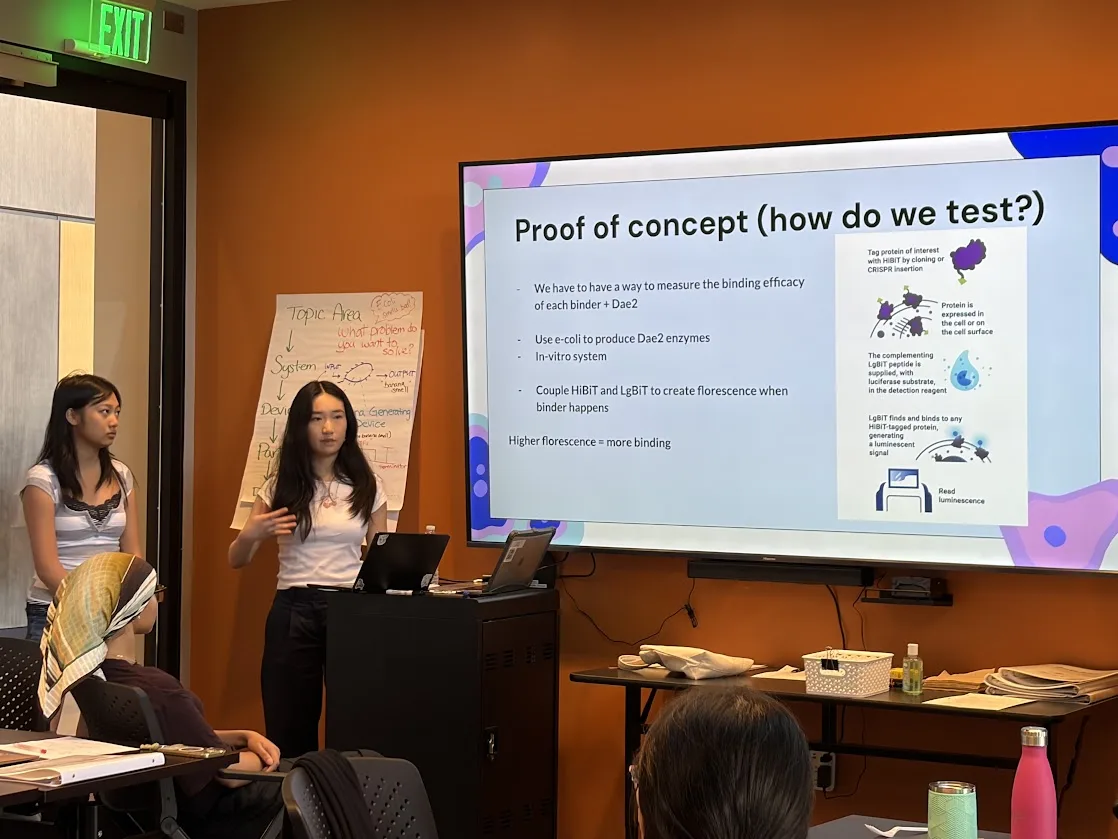
Needless to say, everyone was impressed with the teams’ work, and their families were especially proud of their young scientists!
Congratulations to this year’s Summer Research Program graduates!

BioBuilder Receives Gamechanger Grant
BioBuilder is thrilled to announce the award of a Gamechanger grant from the Massachusetts Life Sciences Center (MLSC), the state’s economic development agency for the life sciences.
BioBuilder will implement the grant in collaboration with Transfyr, a Boston-based AI and life science technology company. The purpose of the grant is to create an AI-enabled hands-on biotechnology training and credentialing system for Massachusetts high school students. BioBuilder’s collaboration with Transfyr is designed to expand access to that preparation by pairing BioBuilder’s hands-on biotechnology curriculum with real-time AI coaching, which will help students build essential laboratory skills wherever they attend school.

This approach scales the intimacy of scientific mentorship—“see one, do one, teach at scale”—so that every student and teacher, regardless of zip code or income, can gain the skills and confidence to participate in the bioeconomy.
The $1 million award is part of $12.3 million in funding announced by the Healey-Driscoll Administration and MLSC through the MLSC’s Education and Workforce Development Grant Program, which is supporting 68 awards to public schools, colleges, and nonprofit organizations across the Commonwealth.
You can read the full press release HERE.
We are so proud to have this opportunity to further equitable access for all students seeking careers in bioscience!